Learning Objectives:
- Participants will develop an understanding of the evolution of the treatment of trauma and anxiety.
- Participants will learn to assess when body-based interventions are warranted, particularly with historically oppressed and excluded populations.
- Participants will integrate anti-racism/anti-oppression into clinical treatment planning and implementation, departing with at least one tool to immediately apply in practice and a plan for future expansive clinical training opportunities.
Abstract:
Participants will gain insights into the evolution of trauma and anxiety treatment. The focus is on developing an understanding of when body-based interventions are appropriate, particularly for historically oppressed and excluded populations. The session emphasizes the integration of anti-racism and anti-oppression principles into clinical treatment planning. Attendees will leave with a practical tool for immediate application in their practice and a plan for ongoing clinical training to further enhance their skills in culturally-responsive and integrative healing approaches.
 Biography:
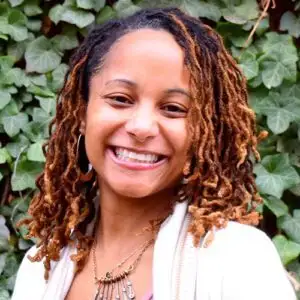
Dr. Adrianna N. Taylor, LCSW, CCTP with MSU Denver Social Work Department
Dr. Adrianna Taylor (Dr. AT to most) is a Board Certified LCSW and holds licenses in Oklahoma, North Carolina, and Florida. She has experience partnering with folks in outpatient mental health, trauma, and substance use clinics, as well as rape crisis, women’s centers, and medical clinics. In addition to working with Veterans who experienced substance use and combat and sexual trauma, she managed a military mental health clinic for service members and dependents as an active duty Air Force member for several years. Her private psychotherapy practice focuses on serving BIPOC, military/veterans, and HSP with experiences of trauma and anxiety. She is also a registered yoga instructor and a tenure track assistant professor at MSU Denver. Her research focuses on using Narrative and Somatic psychotherapy practices, as well as engaged and liberatory pedagogy to heal the impacts of intergenerational and historical trauma on Black women.