
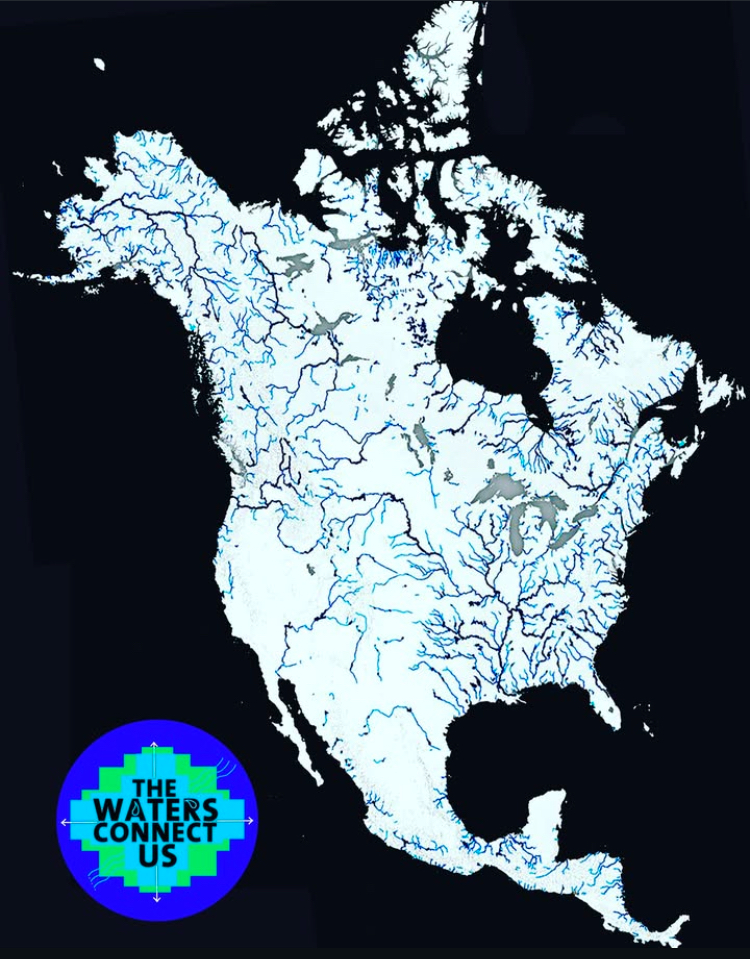
All of our precious, finite water sources are connected, from flowing surface streams across the planet, to the aquifers below us, to the raindrops falling from the clouds above, all water is connected. The Waters Connect Us is a multi-generational work to protect Sacred Water that was inspired by Debra White Plume (Oglala Lakota/Cheyenne) of Owe Aku / Bring Back the Way, and a tight knit group of Indigenous and non-native people committed to environmental and human rights work. Our work honors the footsteps in which we follow that were created by our relatives who dedicated their lives to protect our life, lands, and waters for seven generations. We are dedicated to strengthening and building solidarity to increase the effectiveness of the many movements to protect lands and waters. We are all connected through water, land, and life.
Stories from the Colorado River Basin
In a combined effort to educate and raise awareness about the threats to the Colorado River Basin, Professor Suree Towfighnia developed a series of videos with her Video Production students at Metropolitan State University of Denver. Through education, reading and watching pieces about the threats to our water, and amplifying voices, the Video Production students were able to publish their work.
_________________________
The Waters Connect Us
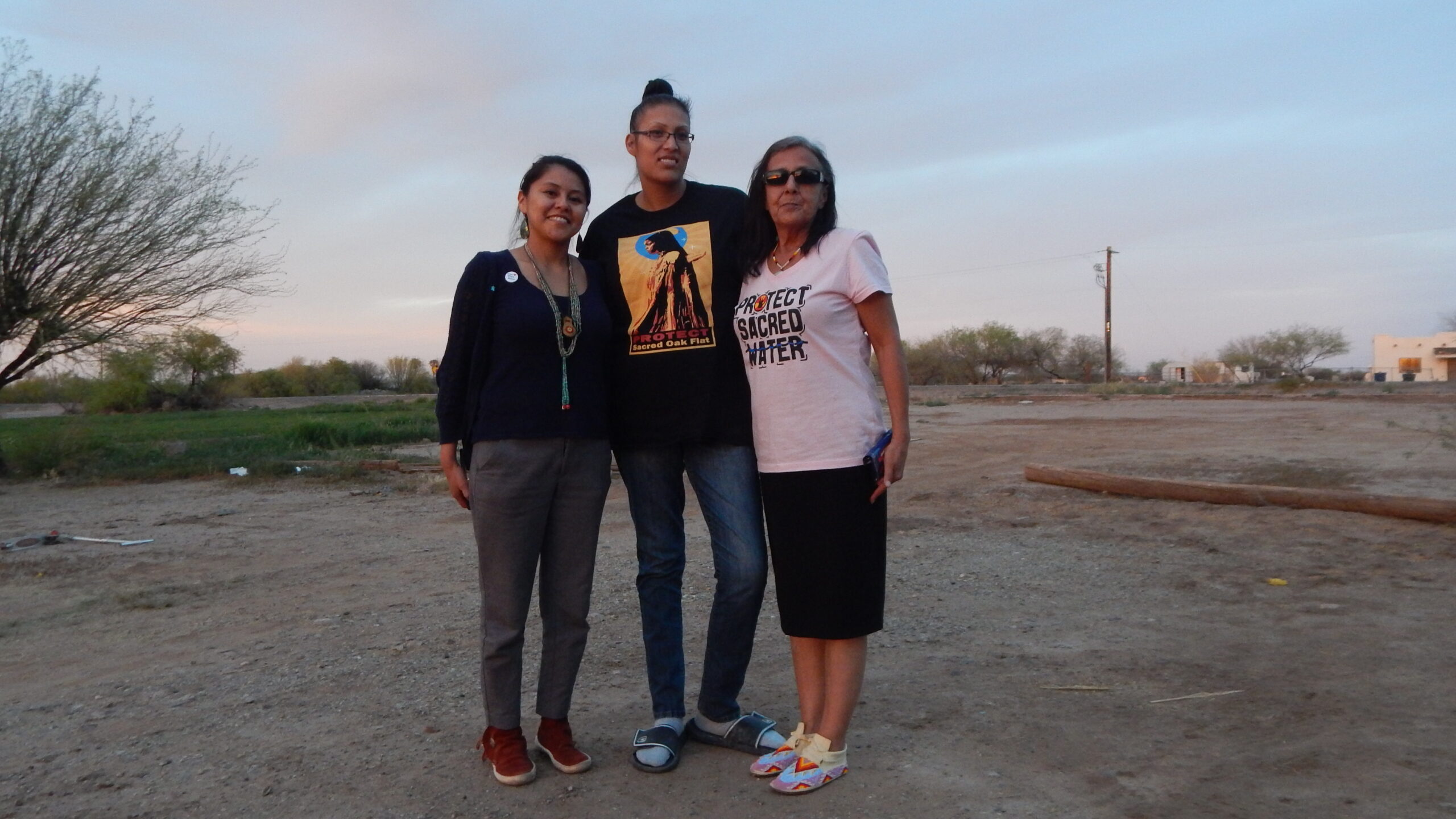
Four Indigenous leaders of environmental activism unite to educate about threats to the Colorado River from water contamination on Native lands. Brought together by this fight, they amplify one another’s voices and pass on the torch to keep fighting to protect the waters that connect us all.
_________________________
Event Livestream
This live recording showcases the Stories From The Colorado River panel at MSU Denver. The panelists Louise Bennally, Reuben Cruz, Leona Morgan, and Woman Stands Shining Pat McCabe discuss the challenges their communities face due to threats to their local water sources.
_________________________
View more stories here

MSU Denver is located on the lands of the Cheyenne, Arapaho, Lakota, and Ute, and other Indigenous peoples who maintain a continuous relationship with this land.